
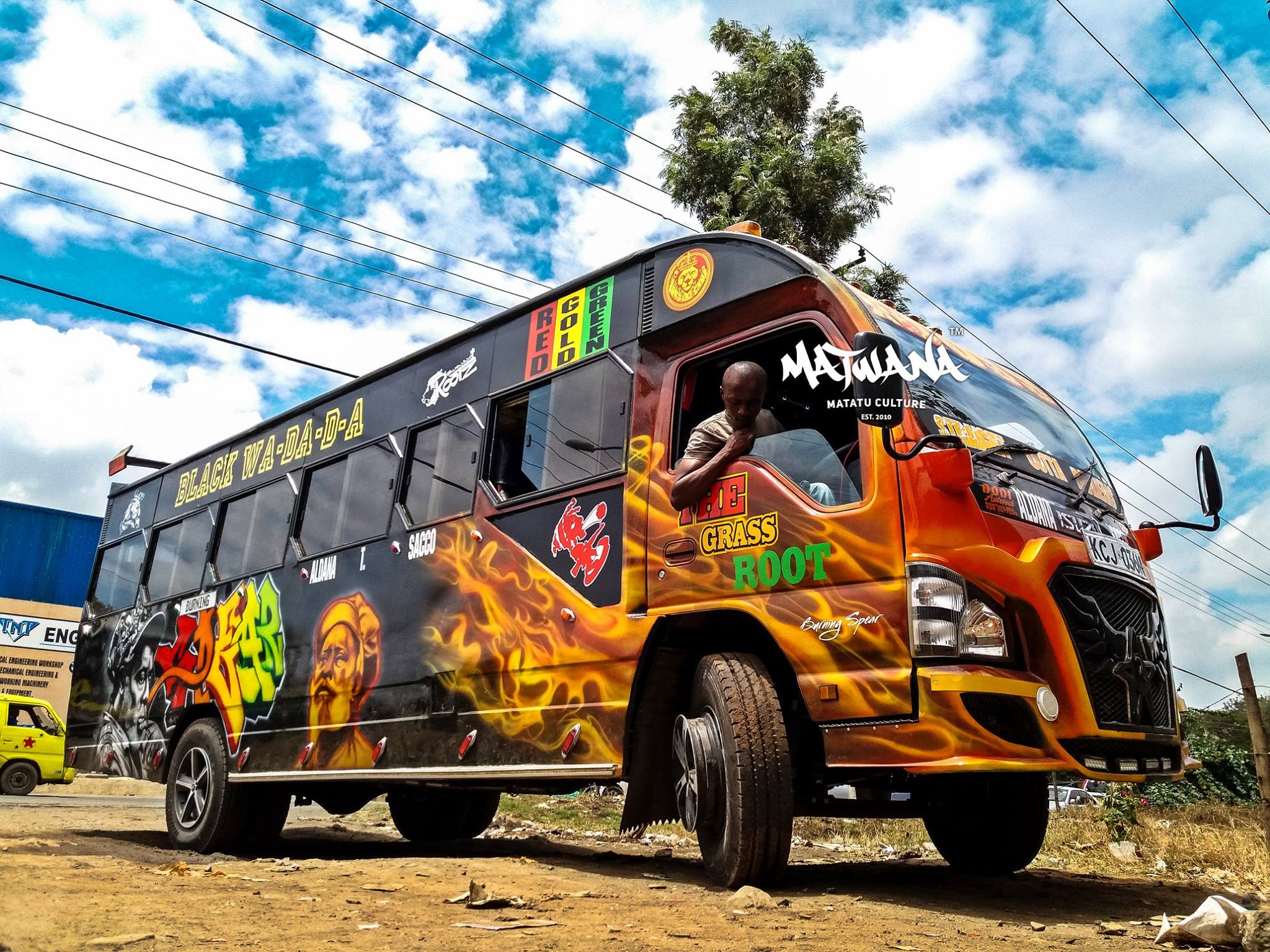
The Mathree Chronicles: The Art of the Matatu False Start
We have all been there. You are crammed into a 14-seater matatu, cheek-to-cheek with a stranger, sweating out your life choices. You have been sitting at the stage for forty-five minutes. Suddenly, the engine roars. The driver engages the gear and rolls the vehicle forward by exactly two inches. Your heart leaps. “Finally,” you think, “we are leaving this godforsaken place.”
It is a trap.
This is the psychological warfare of the Kenyan public transport system. The calculated “false start” is a masterclass in manipulation designed to give you false hope. The driver has absolutely no intention of moving. He is just shifting the car to prevent a mutiny. He knows that if the matatu feels alive, you will stay in your seat instead of hopping out to board the rival vehicle filling up next to them.
Then comes the partner in crime: the makanga. To complement the driver’s optical illusion, the conductor launches a verbal assault of pure gaslighting. He bangs on the side of the matatu, yelling to the pavement, “Wawili wa haraka tukienda!” (Two fast people and we go!). You look around. The matatu is already packed like a crate of tomatoes. There is physically no space for two more human beings, let alone “fast” ones. Yet, he says it with such conviction that you actually look out the window expecting the vehicle to merge into traffic.
Spoiler alert: you do not move for another thirty minutes.
Once we fix the bigger issues in this country, we need a national tribunal for these transit brokers of heartbreak. Until then, stay strong, keep your earphones plugged in, and never trust a matatu that moves less than ten meters.