
Kenya Is My Sound: Why I Sing in Kikuyu and Kiswahili
Music is more than entertainment—it is identity, memory, and culture. Every song tells a story, and for me, that story will always begin in Kenya. Although I have had the opportunity to experience life beyond Kenya’s borders, my roots remain deeply planted in the country that shaped me.
That is why I intentionally include Kikuyu, my mother tongue, alongside Kiswahili, Kenya’s national language, in my music. These languages are not just a means of communication; they carry history, wisdom, emotion, and traditions that deserve to be heard by future generations. Every lyric is a reminder that our languages have a place in today’s global music landscape.
The music industry is becoming increasingly international, with many artists choosing to sing exclusively in globally dominant languages. While there is nothing wrong with reaching wider audiences, I believe authenticity is what truly connects people. Listeners appreciate artists who embrace their heritage and proudly represent where they come from.
Kenya is blessed with rich cultural diversity, and our languages, stories, and rhythms are part of what makes our music unique. By weaving Kikuyu and Kiswahili into my songs, I hope to inspire young artists to see their cultural identity as a strength rather than a limitation. Our traditions should evolve with modern music, not disappear because of it.
No matter where my journey takes me, Kenya will always be at the center of my artistic identity. My music is my way of carrying home with me, celebrating my heritage, and sharing the beauty of Kenyan culture with audiences around the world.
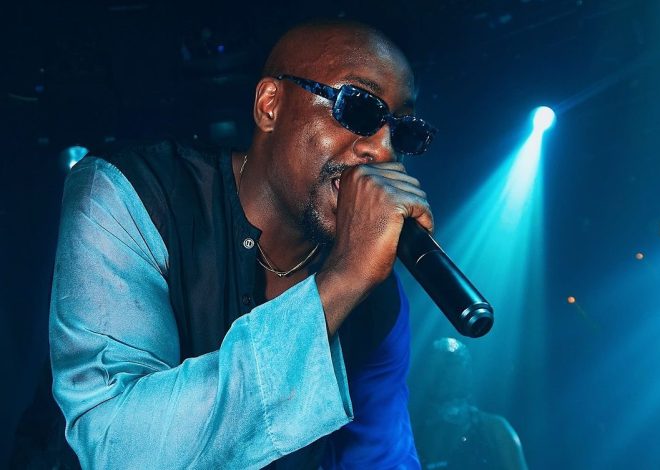
For me, every song is more than a performance—it is a tribute to the language, people, and culture that made me who I am. As long as I continue creating music, Kenya will always have a voice in every melody I sing.