
From Dandora to Umoja: The Ghetto Anthem Evolution
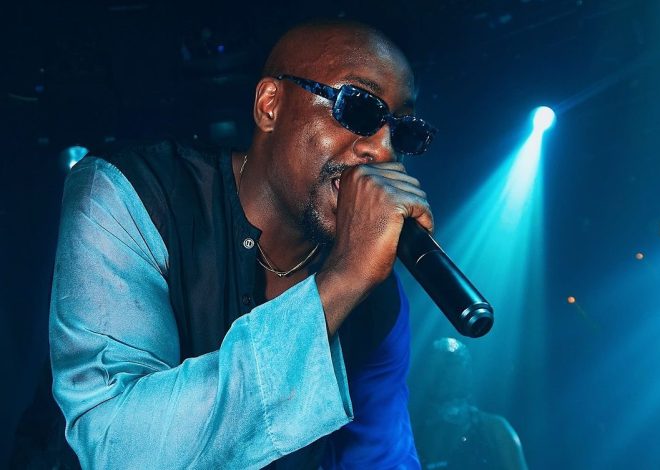
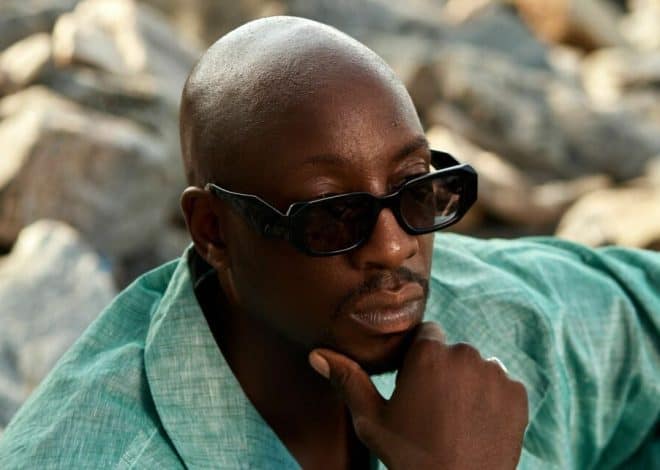
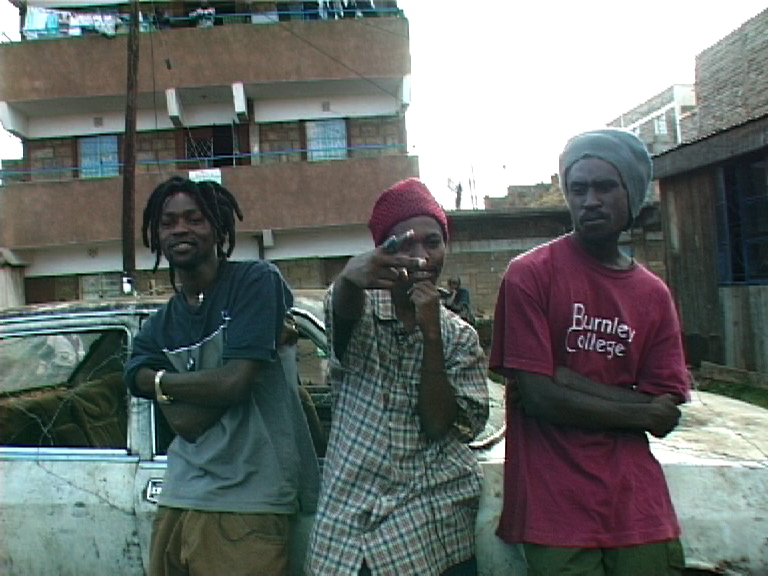
In the history of Kenyan Hip Hop, few comparisons carry as much weight as the one between the legendary Kalamashaka (K-Shaka) and the contemporary powerhouse Wakadinali. While separated by nearly two decades, these two trios share a cultural DNA that has defined the “sound of the streets” for different generations.
The Mirror of the Streets: Key Similarities
The most striking similarity lies in their trajectory from the underground to commercial dominance without diluting their core identity. Both groups emerged from Nairobi’s Eastlands—Kalamashaka from Dandora and Wakadinali from Umoja—using the “Rong Rende” and “Ukoo Flani” banners to build local movements. Just as K-Shaka’s “Tafsiri Hii” became a national anthem for youth in 1997, Wakadinali’s hits like “Morio Anzenza” and “Geri Inengi” have become defining tracks for the Gen Z and Millennial demographic. Both groups prioritised Sheng as their primary lyrical vehicle, tackling gritty themes like police brutality, crime, and urban survival.
Sonic and Structural Differences
The differences are largely chronological and sonic. Kalamashaka was rooted in the classic boom-bap and socially conscious hip hop of the 90s, influenced by global acts like Dead Prez. Wakadinali, while keeping that lyrical density, has evolved the sound into what they call “RongDrill” or “NaiDrill,” a fusion of modern Drill, Trap, and Gengetone influences. Additionally, Wakadinali has mastered the digital era; while K-Shaka relied on radio airplay and physical tours, Wakadinali has broken records on streaming platforms like Spotify and Boomplay, surpassing mainstream giants like Sauti Sol.
The Trajectory: Will History Repeat?
Will Wakadinali suffer the same commercial decline that saw K-Shaka fade from the mainstream? It is unlikely. Wakadinali has built a sustainable business ecosystem through their “Zozanation” label and “Rong Liquor” brand, ensuring they aren’t solely dependent on hit singles. Their ability to collaborate with mainstream acts like Sauti Sol while maintaining street cred suggests a more versatile longevity. While Kalamashaka remains the “cultural bedrock,” Wakadinali is currently the commercial blueprint for hip hop survival in Kenya.