Borrowed Rhythms: How the early 2010s “Naija Wave” reshaped Kenyan radio
In the early 2010s, a distinct sonic shift swept across Nairobi’s airwaves. The gritty, high-energy Genge and Kapuka sounds that defined 2000s urban Kenyan music faced unprecedented competition. A juggernaut had arrived from West Africa: the polished, infectious, and syncopated grooves of Nigerian Afro-pop—the Naija sound.
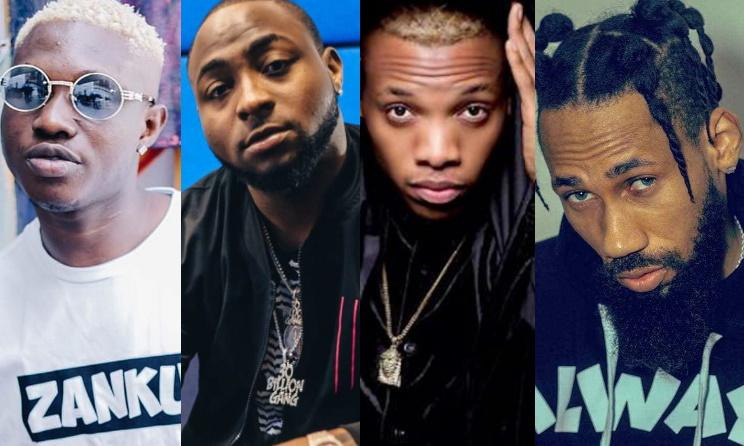
Led by global megastars like Wizkid, P-Square, D’Banj, and Davido, the Naija sound captured East African clubs and radio playlists almost overnight. Nigerian records boasted crisp studio production, heavy synth basslines, and catchy, call-and-response melodies that listeners couldn’t resist. Kenyan DJs and radio presenters quickly leaned into the trend, giving heavy rotation to West African hits while local artists scrambled to adapt to the changing commercial tides.
To stay rotation-ready, many mainstream Kenyan acts began adopting the sonic signatures of Afrobeats. Production studios in Nairobi started trading traditional bounce for 120-BPM mid-tempo grooves, heavy autotune hooks, and pidgin-inflected phrasing. High-profile cross-continental collaborations became the golden ticket for local artists seeking regional reach—a trend famously exemplified when Sauti Sol teamed up with Yemi Alade for their hit track “Unconditionally Bae.”
While purists criticized this era as a period where Kenyan identity was momentarily overshadowed by foreign influence, it ultimately served as a vital transitional phase. Confronting the dominance of West African pop forced local producers to sharpen their mixing standards, elevate video production quality, and rethink song structure.
The early 2010s Naija wave didn’t erase Kenyan originality; it forced local creators to innovate. Ultimately, navigating this era laid the foundation for the subsequent resurgence of homegrown movements like Gengetone and Arbantone, proving that East African artists could absorb global sounds while reclaiming their own unique voice.