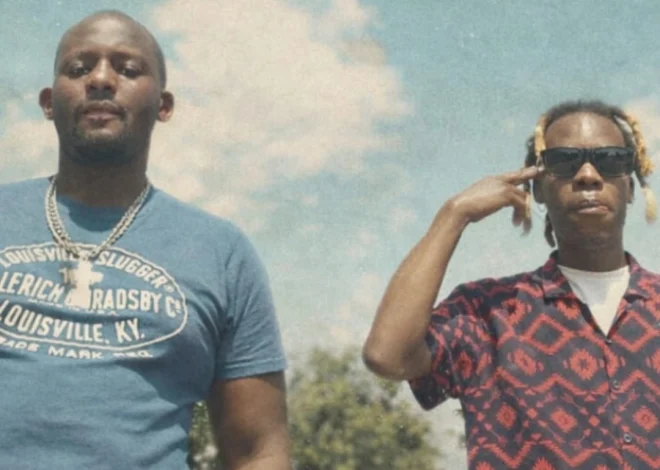

The Colloblue Conundrum: Why the Sol Generation Publishing Deal is Not a Mistake
The Kenyan music scene was set abuzz this week when Colloblue, a popular dancer and choreographer known for the viral hit “Up Burukanga,” officially signed a deal with Sol Generation Publishing. While many fans celebrated the milestone, others were left confused, questioning why a dancer with only a handful of songs would be signed to the same house that nurtured giants like Nviiri the Storyteller and Bensoul.
The controversy stems from a fundamental misunderstanding of the music business: the difference between a record label and a music publisher.
Publishing vs. Record Labels: What’s the Difference?
To understand why Colloblue’s deal makes sense, we have to look at the two distinct “sides” of music:
- Sol Generation Records (The Label): A record label invests in the recording and selling of music. They own the “master” recording and handle things like production, music videos, distribution to platforms like Spotify, and heavy marketing to make the artist a star.
- Sol Generation Publishing: This arm focuses on the songwriting and composition—the lyrics and melody. Publishers act as business agents for the creators. They don’t necessarily care about how many albums you sell; they care about where your music is played. They license songs for TV shows, movies, advertisements, and video games, ensuring the creator gets paid every time the song is used.
Why Sign a Dancer?
Critics argue that record deals should be “exclusive for artists.” However, a publishing deal is about intellectual property. As a choreographer and viral hitmaker, Colloblue creates “compositions”—dance-heavy anthems and viral sounds that are perfect for licensing and commercial use.
By signing to Sol Generation Publishing, Colloblue isn’t necessarily becoming the next R&B sensation under Sauti Sol; he is securing a partner to manage his rights and maximize the revenue from his viral energy and songwriting. This move signals a shift in the Kenyan industry toward protecting the “pen” and creative output of performers beyond just traditional singing.