Block Culture: Are Kenyan Artists Avoiding Growth by Silencing Critics?
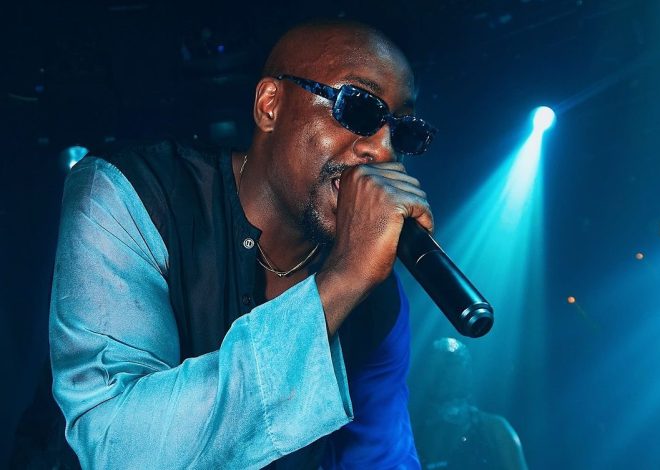
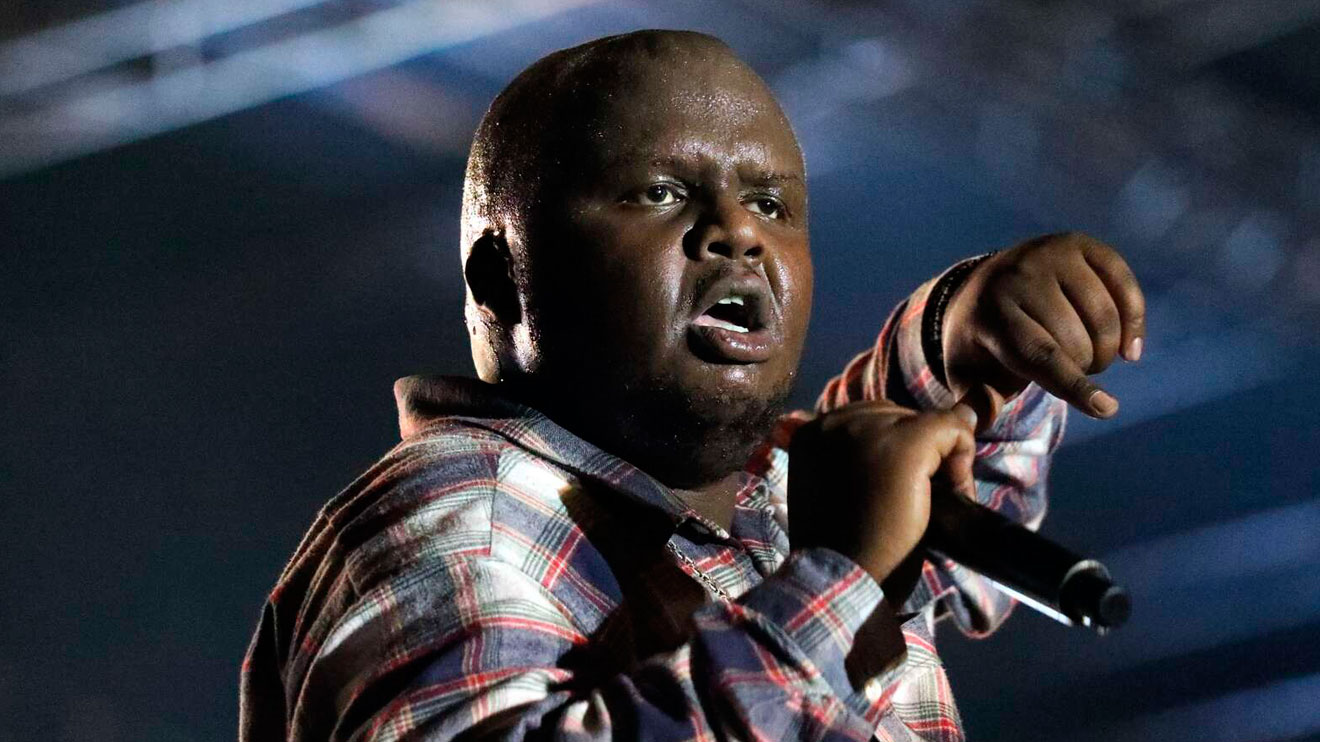
In the age of digital feedback, where audiences have direct access to artists, criticism has become part of the creative ecosystem. However, a growing trend among Kenyan musicians suggests a troubling pattern—blocking critics instead of engaging them. Artists like Octopizzo and Breeder LW have often been called out for swiftly hitting the block button when faced with negative opinions online.
While social media offers artists a platform to control their narrative, it also exposes them to unfiltered audience reactions. The issue isn’t criticism itself—it’s how it’s handled. Constructive criticism, when taken objectively, can be a powerful tool for growth. Yet, many Kenyan artists seem to perceive any form of critique as hate, choosing to silence voices rather than reflect on the feedback.
This “block culture” has inadvertently created an echo chamber where only praise is visible. The danger here is stagnation. Without dissenting opinions, artists risk losing touch with their audience’s evolving tastes. Music, like any art form, thrives on iteration, and iteration requires honest feedback—even when it’s uncomfortable.
There’s also a deeper industry implication. Fans are becoming more vocal and analytical, especially with the global exposure to higher production standards and artistic depth. When local artists shut down criticism, they risk alienating a fanbase that simply wants better quality and accountability.
That said, not all criticism is valid. Trolls and outright hate speech deserve to be filtered out. But there’s a clear distinction between hate and critique—one aims to tear down, the other to build up. The challenge for Kenyan artists is developing the maturity to tell the difference.
Ultimately, growth in the music industry demands resilience. Artists who learn to engage, adapt, and evolve from feedback will outlast those who hide behind the block button.