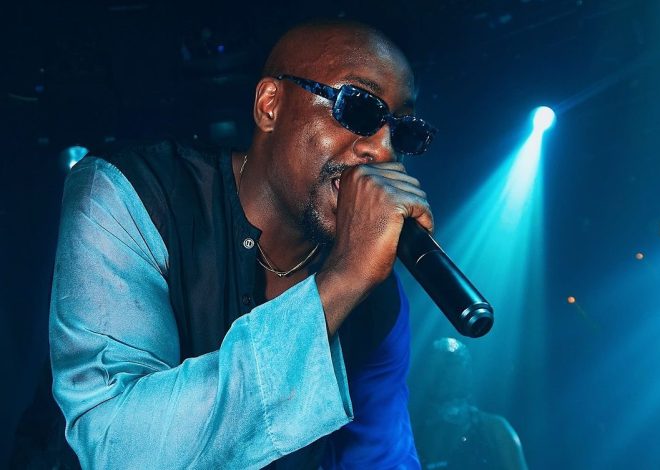

Bars vs Bangers: The Thin Line Between Hardcore and Commercial Rappers
In Kenyan hip hop—and globally—the debate between hardcore and commercial rappers has never really gone away. It’s a conversation rooted in identity, purpose, and what artists choose to prioritize when they step into the booth.
Hardcore rappers are driven by expression. For them, music is a tool for storytelling, resistance, and documentation of lived realities. Their focus is on lyricism—complex rhyme schemes, layered meanings, and messages that often touch on politics, struggle, and social commentary. This kind of rap isn’t always designed for easy listening. It demands attention. It asks the listener to think. And because of that, it tends to attract a loyal but niche audience that values authenticity over popularity.
On the other hand, commercial rappers are playing a different game. Their focus is reach. They create music that connects instantly—catchy hooks, infectious beats, and relatable themes like love, lifestyle, and celebration. This is the music that fills clubs, dominates radio, and trends on streaming platforms. It’s accessible, digestible, and built for mass consumption. In many ways, commercial rap is what keeps the industry financially alive.
But framing it as a battle misses the bigger picture. The difference isn’t about skill or even integrity—it’s about intent. One prioritizes cultural credibility, the other market success.
What’s interesting today is how the line is increasingly blurred. A new generation of artists understands that you don’t have to choose one side entirely. You can deliver sharp lyricism and still make a hit record. You can speak truth and still move units.
The real evolution of hip hop isn’t in picking a lane—it’s in mastering both.