
From Kingston to Nairobi: The Riddim Challenge Wave Reshaping Kenyan Hip Hop
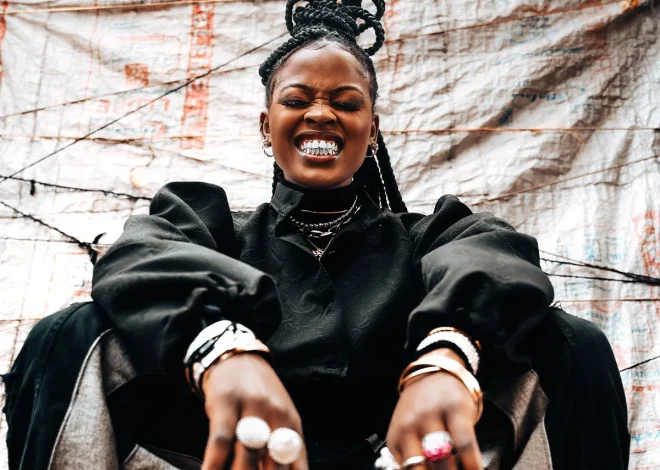
The Kenyan music scene is once again proving how quickly it adapts to global sonic shifts. Over the past few months, a new wave has emerged online and in studio sessions across the country — Kenyan rappers and dancehall artists jumping on Jamaican riddims in what is becoming the latest creative challenge. The movement has been largely amplified by artists like Toxic Lyrikali and his circle, who have consistently delivered high-energy freestyles and verses on Jamaican instrumentals, sparking a ripple effect across the industry.
The concept itself is not new. For years, Jamaican producers have built careers around the “riddim culture,” where one instrumental hosts multiple artists delivering their own interpretations of the beat. Producers like Rvssian and Country Hype have played major roles in shaping this ecosystem, crafting beats that artists across the Caribbean and beyond eagerly jump on. Now, that culture is finding a strong foothold in Kenya, where artists are using these riddims as a creative playground to showcase lyrical ability, cadence, and personality.
What makes the Kenyan adoption interesting is the context in which it is happening. Over the past two years, the rise of Arbantone shifted the focus of mainstream Kenyan music toward party-ready, street-driven sounds that dominated clubs and TikTok. While Arbantone opened doors for a new generation of artists, it also created a noticeable gap for rappers who thrive on lyricism and competitive energy. The riddim challenge wave is now filling that space by offering artists a platform to display raw bars without the pressure of crafting fully packaged singles.
Social media has played a crucial role in this resurgence. Short-form freestyle videos, studio clips, and cypher-style recordings are spreading quickly across platforms, with fans comparing verses and debating who delivered the hardest take on a particular riddim. In many ways, the movement is bringing back the competitive spirit that once defined Kenyan hip hop circles and underground rap battles.
At the same time, the trend reflects how interconnected the global music ecosystem has become. Jamaican dancehall has historically influenced African sounds, but the speed at which Kenyan artists are now engaging with Caribbean production is unprecedented. It’s no longer just about influence; it’s about real-time participation in global music trends.
If the momentum continues, this riddim challenge culture could evolve into something bigger — perhaps inspiring Kenyan producers to create their own riddims and invite multiple artists to reinterpret them. That would not only localize the movement but also strengthen the collaborative spirit that the Kenyan industry thrives on.
For now, though, one thing is clear: the riddim wave has arrived, and Kenyan artists are wasting no time proving they can ride any beat that comes their way.